 11
11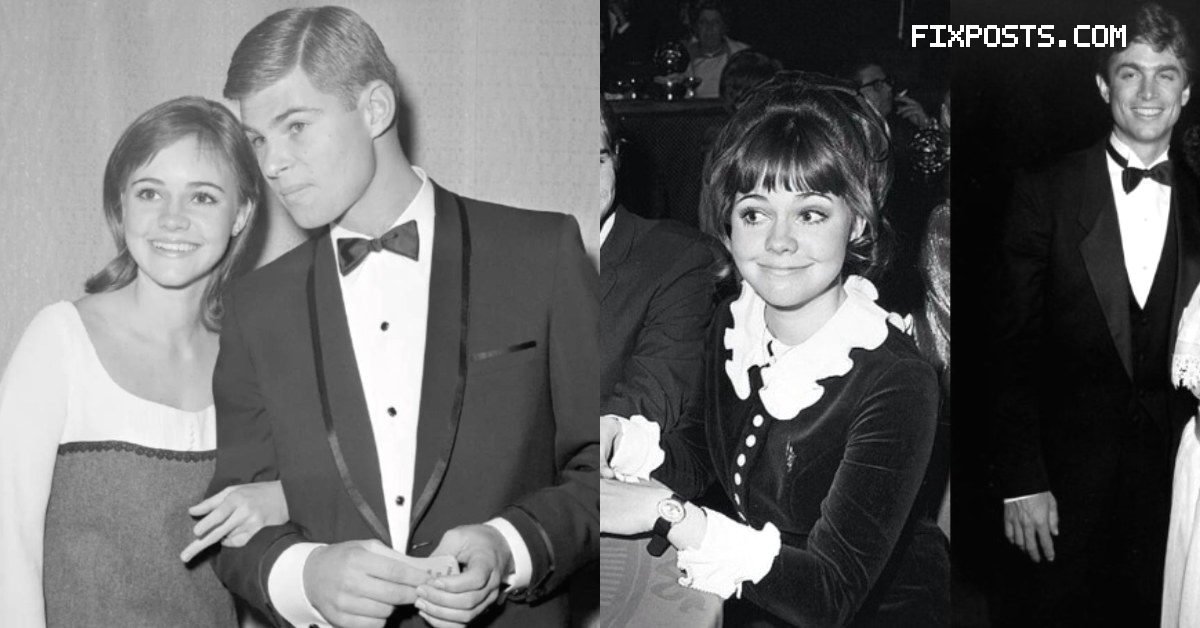
Many assume Steven Craig was just another name in the credits, a footnote in Hollywood’s action history. In reality, his work as a stuntman and coordinator shaped some of the most memorable sequences in 1970s and 1980s cinema.
Studios and directors gained the most from Craig’s willingness to take physical risks that actors would not. His precise timing and controlled falls allowed filmmakers to stage elaborate chases and fight scenes without shutting down production. Audiences, too, reaped the reward, watching stunts that felt genuinely dangerous rather than digitally manufactured. If you want to go deeper, our homepage guide on steven craig covers an adjacent angle worth reading
The cost fell on Craig himself. Stunt performers of his era worked without the modern safety protocols or the digital safety nets that exist today. Injuries were common, and the job offered little job security or long-term health care. According to some accounts, Craig sustained multiple fractures over his career, though specific incidents remain unverified.
For the actors whose careers soared on the back of his bravery, the benefit was clear. They collected the glory while Craig remained largely anonymous, a pattern that persisted until the rise of stunt recognition in later decades. The imbalance between risk and reward defined his profession, and Craig’s story highlights that disparity better than most.
To understand Craig’s place, one must look at peers like Hal Needham and Dar Robinson, who also pushed physical limits. Needham transitioned into directing, most notably with Smokey and the Bandit, while Robinson became famous for high falls and even held world records. Craig, by contrast, stayed in the trenches, rarely seeking the spotlight that his colleagues sometimes embraced.
That difference mattered. Robinson’s record-setting leaps earned him magazine features and a degree of fame, whereas Craig’s work appeared in films where his name might appear in a scroll at the end. The comparison reveals a career built on consistency rather than spectacle, a choice that kept him employed but obscured his legacy.
Another contemporary, Vic Armstrong, later became one of the most sought-after stunt coordinators in the world, working on franchises like Indiana Jones and Mission: Impossible. Armstrong’s trajectory shows what was possible with the right connections and timing.
A frequent misunderstanding involves the difference between a stunt double, a stunt performer, and a stunt coordinator. A double specifically stands in for a lead actor, matching their build and movements. A performer handles any role requiring physical risk, while a coordinator designs and oversees the entire sequence. Craig’s credits, where they exist, often list him in multiple capacities, which confuses casual viewers.
Another myth holds that stunt performers are interchangeable, that any trained athlete can step in. In reality, each stunt requires specialized skills—high falls demand precise body control, car work needs driving expertise, and fight scenes require choreography memory. Craig’s versatility across these disciplines made him valuable, but it also means his filmography resists easy categorization.
People also assume that modern CGI has eliminated the need for physical stunt work. That is false. Even in the age of digital effects, directors like Christopher Nolan and Tom Cruise insist on practical stunts for realism. Craig’s era laid the groundwork for that philosophy, proving that audiences can tell the difference between a real fall and a simulated one. wikipedia.org/wiki/Steven_Craig” rel=”noopener noreferrer” target=”_blank”>Steven Craig
Steven Craig passed away in 2014, according to public records, but his influence persists in the stunt community. Recent years have seen a push for stunt performers to receive Academy Award recognition, a campaign that gained momentum with the 2023 announcement of a new Oscar category for stunt coordination. That change, while not directly tied to Craig, reflects the growing acknowledgment of the craft he practiced.
Documentaries and retrospectives on 1970s action cinema occasionally mention his name, though no comprehensive biography exists. Fans and researchers have taken to online forums to piece together his filmography, relying on credits from films like The French Connection and The Towering Inferno, where his work is believed to appear. The lack of a central archive makes verification difficult, and some claims remain speculative. dicytrends.com/steven-craig-where-is-sally-fields-ex-husband-now/” rel=”noopener noreferrer nofollow” target=”_blank”>Steven Craig: Where Is Sally Field's Ex-husband Now?
What comes next depends on archivists and historians who might unearth production records or interviews. The stunt community itself has begun preserving oral histories, and Craig’s colleagues could provide firsthand accounts. Until then, his story serves as a reminder of the anonymous labor that built Hollywood’s most thrilling moments.
| Aspect | Steven Craig | Hal Needham |
|---|---|---|
| Primary Role | Stunt performer and coordinator | Stuntman turned director |
| Known For | Uncredited work in 1970s action films | Directing Smokey and the Bandit |
| Public Profile | Low, remained behind the scenes | High, achieved celebrity status |
| Career Span | Active primarily in the 1970s and 1980s | Active from the 1960s through the 1990s |
Steven Craig was a stunt performer and coordinator whose career peaked during the 1970s and 1980s. He contributed to high-profile productions, though many of his credits are unverified or uncredited. His work exemplifies the physical skill and risk that defined action cinema before digital effects became standard.
Public records indicate that Steven Craig died in 2014, but the cause of death has not been widely reported. No official statement from family or representatives has been released, leaving the circumstances private.
Watching these films is not unethical, as the performers consented to their work. However, it raises questions about fair compensation and recognition. The industry has since improved credit practices, but historical inequities remain. Supporting modern efforts to honor stunt performers can help address these past oversights.
Craig’s lower profile likely stems from his preference for working behind the scenes rather than seeking publicity. Unlike Hal Needham or Dar Robinson, he did not transition to high-profile roles or set public records. His focus on consistent, reliable work kept him employed but out of the spotlight.
Unconfirmed rumors suggest specific injuries and uncredited roles in major films, but these lack documentary evidence. Without production records or interviews, such claims remain speculative and should be treated cautiously.